Everyone kept telling me my dizziness was anxiety. So I spent five months testing the five things the internet swears by, ranked best to worst.

Two summers ago I was standing in the cereal aisle at Kroger when the shelves started to slide sideways. I grabbed the cart with both hands and stood there sweating, waiting for the floor to level, while a teenager stocking granola bars asked if I needed him to call someone.
I wasn't sick. I hadn't hit my head. I'd had maybe two headaches that whole year.
Over the next two years I saw an ENT, a cardiologist, and two GPs. My MRI was clean. My bloodwork was fine. I got offered anxiety medication twice. One doctor said, and I'm quoting him, "some people are just dizzy people."
What finally moved things was a Facebook group where a woman described my exact mornings, the swimmy head, the fog, the screens I couldn't scroll, and used a term I'd never heard: vestibular migraine. Migraine that lives in your balance system instead of your head. Sometimes with barely any pain at all.
I cried reading it. It had a name, and a name meant I wasn't making it up.
The experiment
Once it had a name, I did what any desperate person does. I opened about forty tabs.
Five things came up over and over in the vestibular groups: magnesium, the migraine elimination diet, vestibular rehab exercises, those dizziness gummies that are all over Instagram, and a supplement called Mighty that kept showing up in comment sections.
What I looked for:
How much it helped the dizzy spells and the swaying-floor days
Whether the brain fog and the afternoon crash moved
How easy it was to actually do every single day
Ingredient quality, and doses checked against the studies
Value for money
I decided to stop guessing. One thing per month, five months, notes in my phone every night.
Here's how they stacked up, best to worst. I'm starting with the winner, because if your head is anything like mine was, long articles are hard, and this is the one that matters.
1. Mighty – 9.6
Mighty was month three of five, smack in the middle of the experiment. I'd been putting it off because it looked too convenient. Thirteen ingredients in one supplement, made by a husband and wife who both dealt with migraine, marketed with the exact words my Facebook group uses. My scam radar was up.
Two things got me past it. The label lists every dose, which meant I could check it against the actual studies, and I did. The riboflavin is at 400mg, the amount from the trial where 59% of people saw attack frequency cut in half. The magnesium is the glycinate form I'd already been taking. And there's a 90-day money-back guarantee, so the risk was my time, not my money.
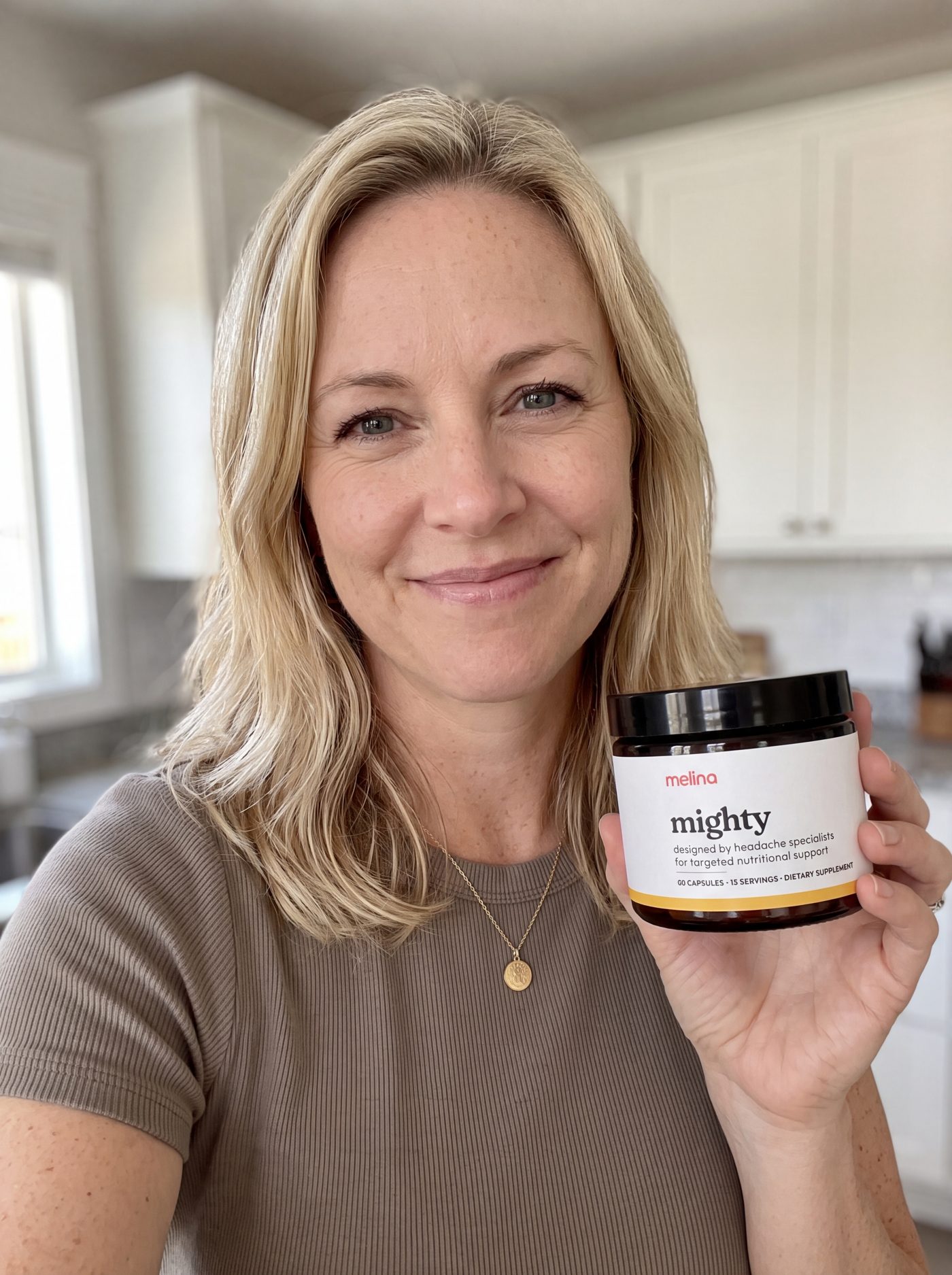
Week 1: nothing. I noted "maybe more energy?" on day 6 and then crossed it out because I didn't trust it.
Week 2, maybe closer to 3: the swimmy mornings started spacing out. That was the first change I couldn't argue away, and I hadn't changed anything else.
By the end of the month the afternoon fog was lifting too. I was getting to 4pm without the cotton-wool feeling. The dizzy spells I did get were shallower, and I bounced back faster. I ran errands alone twice that last week, which sounds like nothing unless you've lost it.
My husband noticed before I said anything. He'd developed this habit of hovering half a step behind me in stores, hand ready, like a spotter. Somewhere in that fourth week he stopped. Neither of us mentioned it for days.
And then month four arrived, with the worst part of the whole experiment: to give the gummies a fair shot, I made myself stop taking Mighty. Quitting the one thing that was finally working felt genuinely stupid, but I wanted a clean test. You can guess where this is going.
Overall Rating: 9.6/10
They currently have an offer for new customers, 25% off the first order (a month comes to about $50 instead of $67), and every order is covered by their 90-day money-back guarantee.
BUY IT HERE AT joinmelina.com →
PROMO: 25% off your first order for NEW CUSTOMERS.
2. Vestibular rehab exercises – 8.8
Not a pill, I know. But it kept coming up in the same threads as everything else, and leaving it out felt dishonest when it beat three of the actual supplements.

Month five. A physical therapist my GP finally referred me to gave me a set of gaze and balance exercises, ten minutes a day. These are legitimate and I still do them. They retrain your balance confidence, and they made me steadier in the specific situations I practiced, like turning my head while walking.
What they didn't touch: the fog, the fatigue, the attacks themselves. My PT was upfront about why. Rehab trains your brain to cope with the bad signal, and something else has to change what's sending it.
The other honest thing: it's work. Every office visit meant carving an hour and a half out of a workday, and the home exercises are the kind of thing you do faithfully for two weeks and then start negotiating with yourself about. Compared to taking four capsules with breakfast, staying consistent was a real struggle.
Overall Rating: 8.8/10
3. Magnesium glycinate – 7.8
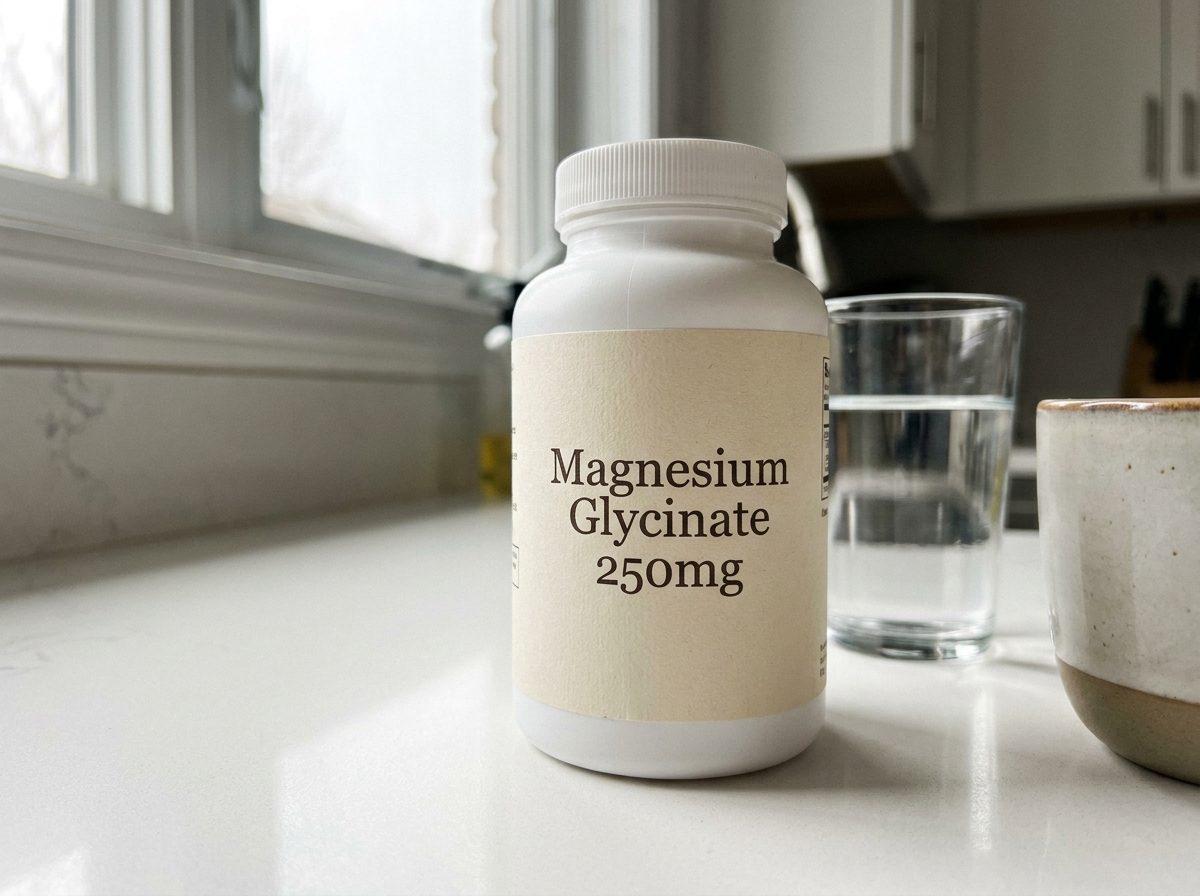
Month one, and the one everybody starts with, including me, because a GP finally suggested it once I brought up vestibular migraine.
Honest results: my sleep got better within the first week or so, and I'll take that. The dizziness moved less. I want to say I had a couple fewer bad days that month, but it was inside the normal wobble of my bad and good weeks, so I honestly can't credit it.
I've since learned a lot of women get partial help from magnesium and then it fades, and the form and dose matter more than anyone tells you. If your only symptom is mild and occasional, magnesium alone might genuinely be enough. Mine wasn't mild, and it wasn't enough.
For what it's worth, it wasn't the budget option it sounds like either. The brand my GP pointed me to cost about what Mighty costs, for one ingredient instead of thirteen.
Overall Rating: 7.8/10
4. The elimination diet – 7.1
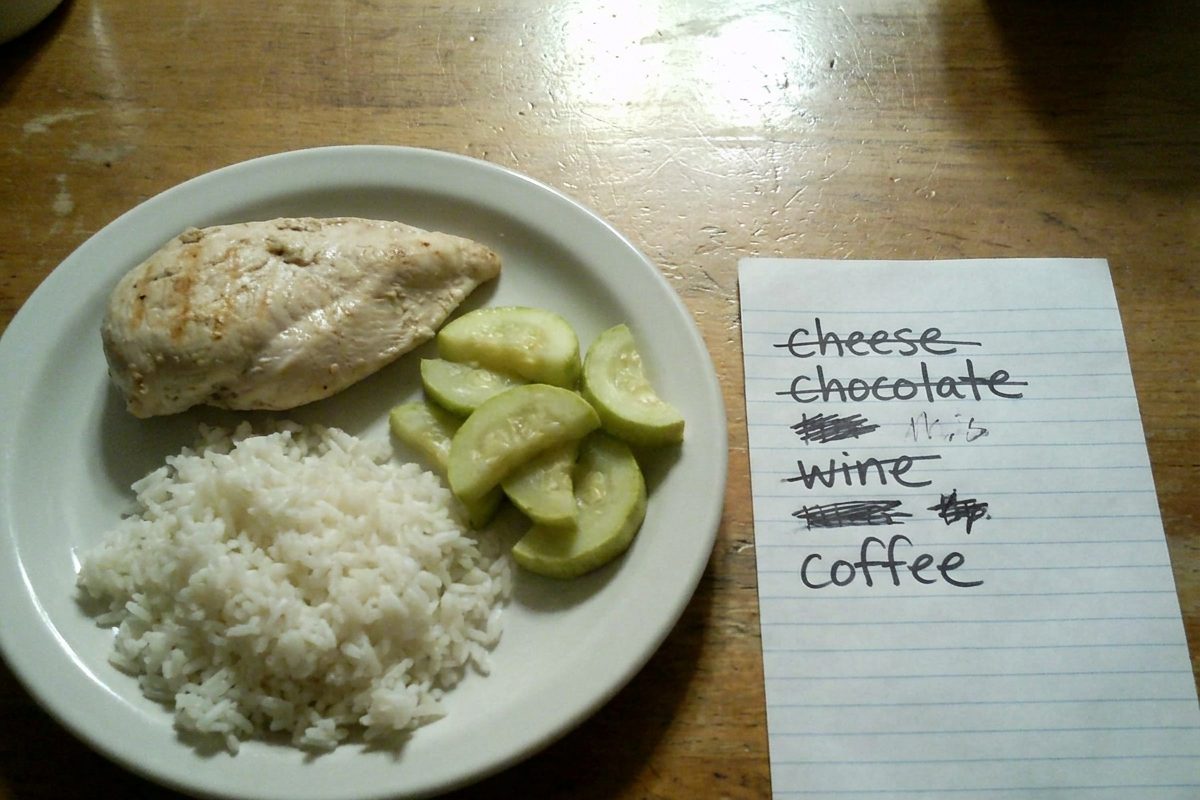
Month two. Cut the usual list: aged cheese, chocolate, wine, cured meat, caffeine after noon. I followed it hard for the whole month.
It did something. My worst days were a little less frequent, maybe. But I also spent the month reading ingredient labels in the store where the shelves slide, turning down dinner invitations, and interrogating a waiter about whether the sauce had parmesan in it. My world got smaller, and the dizziness stayed.
And the stress of it deserves its own line. Food stopped being food and became homework. Every meal out was a negotiation, every grocery run took twice as long, and I spent the month low-key anxious that one wrong bite would cost me two days. For a condition that stress makes worse, a protocol that turns dinner into a nightmare is fighting itself.
If you have one clear food trigger, find it and cut it, truly. But eliminating everything so I could white-knuckle my way to slightly fewer bad days felt like paying rent on a problem instead of fixing anything underneath it.
Overall Rating: 7.1/10
5. The Instagram dizziness gummies – 5.9

Month four, off Mighty completely so this would be a fair test. I'll be honest about both halves of what happened.
The gummies themselves: I did the thing I'd learned to do by now and read the label. The doses were a fraction of what any study used, dressed up in a proprietary blend so you can't even tell how small. They tasted great. That's the review.
The other half: about two weeks off Mighty, the swimmy mornings started creeping back, and the gummies did nothing to slow them. I didn't plan for the experiment to prove anything that way, but nothing else in the five months convinced me more. I reordered before the month was over.
If you want a gummy because you'll actually remember to take a gummy, fine, something is better than nothing. But nothing about the label suggested it could move a real case.
Overall Rating: 5.9/10, and the taste is carrying most of that.
The final verdict
Five months, five contenders, and one I reordered before the experiment was even over.
- Mighty – 9.6. The only thing that changed the underlying pattern: the swimmy mornings spaced out first, then the fog lifted, roughly on the timeline their own site admits to, which I respect more in hindsight than I did at the time.
- Vestibular rehab – 8.8. Keep it if you can stay consistent. It stacks with everything and it's free after the copay. It just works on coping, not cause.
- Magnesium alone – 7.8. A real ingredient at a real dose, but one instrument doesn't make an orchestra.
- The elimination diet – 7.1. Worth one careful month to find a true trigger. Not worth living in.
- The gummies – 5.9. Candy with a wellness label.
Why I think the winner worked
The explanation that finally made sense to me: the balance system is one of the most energy-hungry things your brain runs. When the nutrients behind that energy dip, balance is the first thing to wobble, and the fog and the crash come from the same place. Mighty is basically all thirteen of the ingredients from the migraine research, at the studied doses, taken together instead of as a counter full of separate bottles.
That also explains the two years of clean scans. Nothing was structurally wrong. My brain was running on empty.
Where I am now

Five months in, I'm still on Mighty, and the PT exercises stay in the rotation. I still get a rough day here and there, usually after a terrible night of sleep. But they're spaced out now, and they don't run my week. For me the dizzy days started spacing out inside the first three weeks, which left most of their 90-day guarantee window to be sure it was real, and that math is the reason I felt safe trying it at all.
Last month I did the entire grocery run, big cart, fluorescent lights, no list of escape routes in my head. The granola bar kid doesn't work there anymore. I'd have liked to show him.
If your dizziness sounds anything like mine, it has a name, and there's something real to try for it.